Ways to Help Prevent the Toilet From Clogging
Few problems spark instant panic like a clogged toilet, but most blockages are preventable with consistent habits and a little awareness. This overview provides practical ways to reduce the risk of a toilet clog, explains smarter toilet paper usage, and highlights steps to protect the sewer line, ensuring fixtures continue to flush freely.
Be Careful About What Gets Flushed
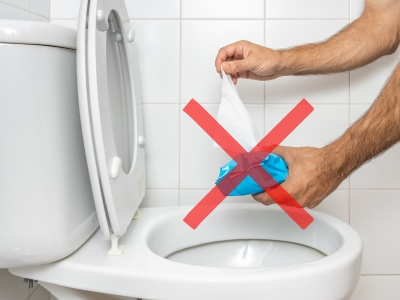 A toilet is not a trash container, and treating it like one is the fastest path to a clogged toilet. The safest guideline is simple: only human waste and toilet paper should be placed in the bowl. Everything else belongs in a bin, even if it seems convenient to flush in the moment.
Items that commonly trigger a toilet clog include paper towels, facial tissues, napkins, and cleaning or cosmetic wipes. These materials are designed to stay strong when wet and do not break down in water the way toilet paper does, so they tend to snag inside bends or junctions and form stubborn blockages. Cotton swabs, dental floss, and feminine hygiene products present similar risks because they do not dissolve and can tangle within sewer pipes.
“Flushable” labels can be misleading, as many such products take far too long to disintegrate and can contribute to a clogged sewer line downstream. Keeping a small wastebasket beside the commode helps ensure non-flushables stay out of the plumbing system. A careful flushing routine dramatically reduces calls for emergency drain cleaning and prevents clogs from growing into whole‑house drainage issues.
Use Less Toilet Paper
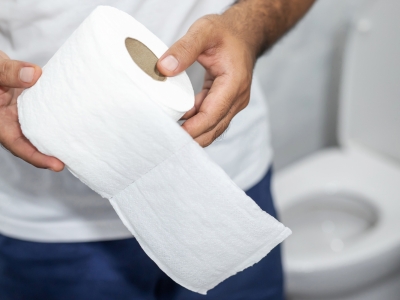 Excessive toilet paper is a frequent cause of a toilet clog. Large wads aggregate quickly and may exceed what the trap and piping can pass in a single flush, even with brands marked as septic‑safe. Small habit changes protect the plumbing while maintaining cleanliness.
A simple technique is “fold, don’t wad,” which uses fewer sheets and reduces bulk. Another tactic is a mid‑flush during heavier use: flushing once before finishing prevents an oversized mass from entering the trap simultaneously. As a general guideline, modest amounts of toilet paper per flush are far less likely to cause a blockage than a single large bundle. When larger amounts are necessary, splitting use into two flushes helps protect the line.
These small adjustments, repeated consistently, are often all it takes to avoid a clogged toilet. Combined with periodic drain cleaning as part of routine maintenance, mindful toilet paper use helps the system operate smoothly and lowers the likelihood of costly backups.
Prevent Sewer Line Clogs
A toilet may appear to flush normally most days, but a developing sewer line clog can turn into a household‑wide problem without warning. When the main sewer line becomes obstructed, wastewater can back up into multiple fixtures at once, leaving plungers and quick fixes ineffective. Preventing issues in the larger sewer system is essential to keeping toilets and drains clear.
Common causes of a clogged sewer line include tree roots infiltrating small cracks, accumulated grease that solidifies and traps debris, and aging sewer pipes—such as clay or cast iron—that shift, collapse, or corrode over time. Preventive steps make a difference: avoid pouring oils and fats down sinks, limit solids and non‑dissolving products entering the system, and consider periodic camera inspections where older piping or large trees are present. Proactive drain cleaning can also remove early buildup before it escalates.
When symptoms point to an obstruction beyond a single fixture—multiple slow drains, recurring backups, gurgling at the lowest drain during other fixture use—professional assessment is recommended. Technicians may clear the line with a drain snake for compacted debris or deploy hydro jetting to scour heavier accumulations from interior pipe walls. If inspection shows damaged or misaligned segments, targeted sewer line repair may be necessary to prevent repeat problems. Addressing the main line promptly protects interior fixtures and prevents localized clogs from reappearing.
About Maxwell-White Plumbing
Maxwell-White Plumbing is a trusted plumbing company offering quality workmanship from friendly and knowledgeable technicians in West Salem, WI. They provide fast and thorough solutions and the latest technology, so call them today for clogged toilet repair in West Salem, WI.