What Causes Poor Water Pressure?
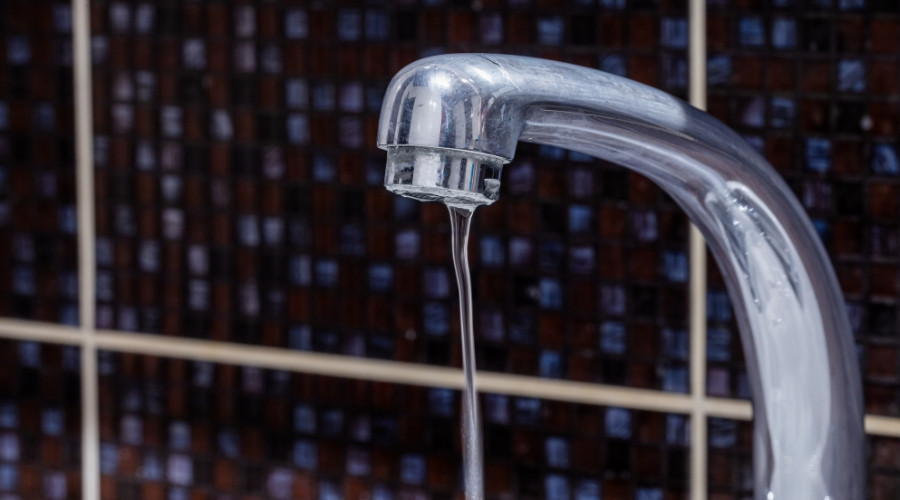
Strong, steady water flow makes everyday tasks like showering, cooking, and cleaning much easier. When faucets only trickle or showers feel weak, frustration often follows, and the plumbing system may be signaling that something is wrong. Low water pressure can stem from several different issues, ranging from a simple fixture problem to serious trouble hidden inside supply lines. This guide outlines what commonly causes poor water pressure, focusing on faulty fixtures or valves, hidden water leaks, and clogs or buildup inside pipes.
Faulty Fixtures or Closed Valves
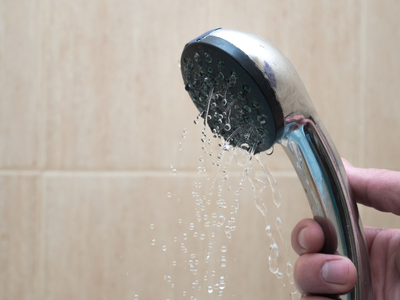 Isolated pressure problems often originate from a single faucet or showerhead. Mineral deposits and debris can clog tiny passages inside aerators and cartridges, restricting flow. In some cases, removing the aerator and cleaning out grit restores normal water pressure; in others, a worn fixture must be replaced.
Whole‑house symptoms often involve valve positions. After a repair or emergency shutoff, the main water shutoff valve or the water meter valve might remain partially closed. Even a small misalignment at one of these controls can limit the volume of water entering the home. A qualified plumber can verify that each critical valve is fully open and operating correctly.
Water Leaks
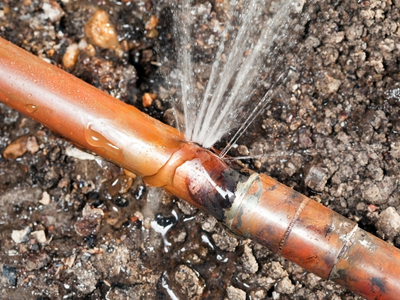 A hidden water leak in a supply line can quietly steal pressure from every fixture. Pressurized water escaping into walls, ceilings, or the yard reduces the available pressure for taps, showers, and appliances, resulting in persistent low water pressure throughout the building. Signs of a potential water leak include unexplained damp spots, musty odours, hissing sounds in walls, or a sudden jump in the water bill.
Professional testing helps pinpoint the exact location of the leak without unnecessary demolition. Once damaged piping is repaired or replaced, restored line integrity often restores water pressure to normal levels and prevents further structural damage.
Clogs and Buildup
Another common cause of low water pressure is a clog or a gradual buildup in the pipes. Older metal lines can corrode from the inside, flaking rust that narrows the pathway. Hard water may leave limescale and mineral buildup along pipe walls, at elbows, or around shutoff valves, further squeezing the opening available for water to pass.
As these deposits grow, friction increases and less water reaches fixtures, even though supply from the utility remains the same. Depending on severity, plumbers may recommend targeted pipe cleaning, replacing isolated sections, or repiping entire runs to restore reliable flow and protect fixtures from recurring blockage.
About Maxwell-White Plumbing
Maxwell-White Plumbing is a trusted plumbing and restoration company providing prompt and professional plumbing solutions to the communities of West Salem, WI, and the nearby areas. With a customer-focused approach, 24-hour service, and straightforward pricing, customer satisfaction is guaranteed. Call them today to schedule water leak detection in West Salem, WI.